Container LPG Filling Plant
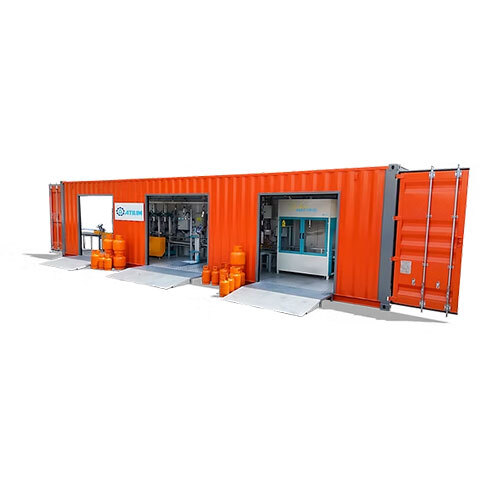
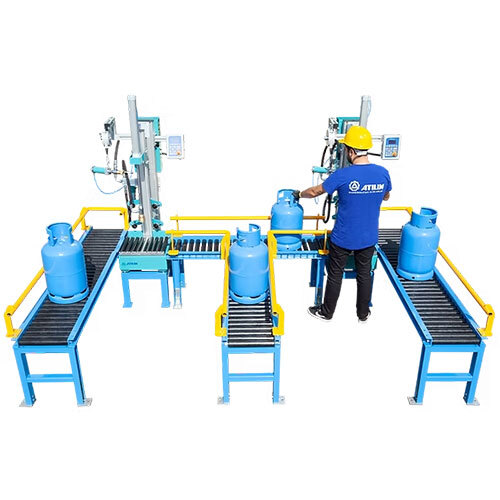
A Container LPG Filling Plant is a specialized facility designed for the safe and efficient filling of Liquefied Petroleum Gas into LPG cylinders and containers. It is commonly used in LPG bottling operations, industrial gas facilities, commercial gas distribution units, and bulk LPG handling applications. The plant integrates essential equipment for LPG storage, transfer, filling, weighing, and safety management.
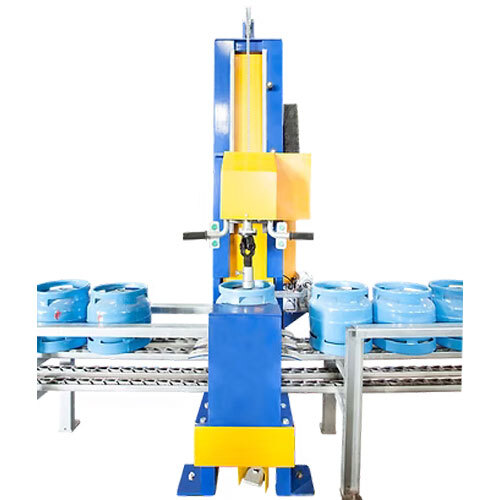
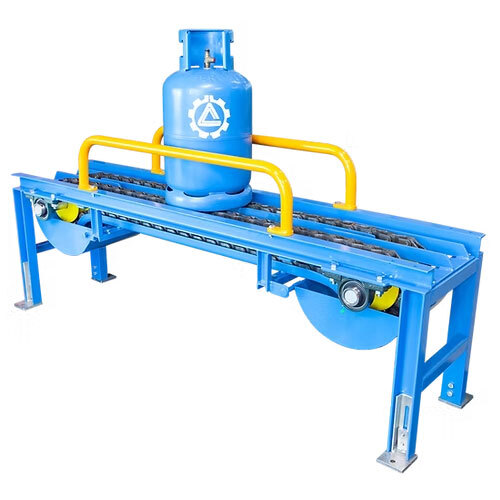
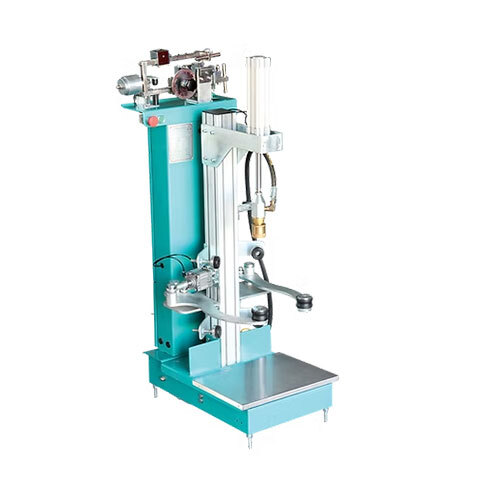
Designed for efficient LPG handling, a Container LPG Filling Plant can help streamline cylinder filling operations while maintaining controlled gas transfer and accurate filling. Depending on operational requirements, the plant can include LPG storage tanks, filling stations, pumps, compressors, weighing systems, pipelines, valves, safety equipment, and control systems.
Modern Container LPG Filling Plants are developed with a focus on operational efficiency, controlled filling, durability, and workplace safety. They can be customized according to plant capacity, cylinder sizes, layout requirements, and application needs. Proper installation, inspection, maintenance, and operation by qualified personnel are essential for safe LPG handling.
Key Features of Container LPG Filling Plant:
- Designed for efficient LPG cylinder and container filling
- Integrated LPG transfer and filling equipment
- Supports accurate filling and weight control
- Can be configured according to plant capacity
- Suitable for commercial and industrial LPG operations
- Equipped with safety and gas handling systems
- Durable construction for continuous operation
- Can be customized according to site layout and operational requirements
Applications of Container LPG Filling Plant
A Container LPG Filling Plant is used in various LPG handling and distribution applications, including:
- LPG bottling plants
- LPG cylinder filling facilities
- Commercial LPG distribution
- Industrial LPG supply operations
- Bulk LPG handling facilities
- Gas storage and transfer applications
- LPG cylinder distribution centers
FAQs About Container LPG Filling Plant:
1. What is a Container LPG Filling Plant?
A Container LPG Filling Plant is a specialized facility used for transferring and filling LPG into cylinders or containers. It generally consists of storage, transfer, filling, weighing, piping, control, and safety equipment.
2. What equipment is used in an LPG filling plant?
Typical equipment may include LPG storage tanks, pumps, compressors, filling machines, weighing systems, valves, pipelines, safety devices, and control systems. The exact configuration depends on the plant design and capacity.
3. Where is a Container LPG Filling Plant used?
It is commonly used in LPG bottling plants, commercial gas distribution facilities, industrial LPG operations, and other facilities involved in LPG storage and cylinder filling.
4. Can a Container LPG Filling Plant be customized?
Yes. LPG filling plants can be designed according to required filling capacity, cylinder types, site layout, storage requirements, automation level, and specific operational needs.
5. What are the benefits of using a Container LPG Filling Plant?
A properly designed plant can support efficient LPG handling, controlled filling, accurate weight measurement, organized operations, and improved safety management.
6. Is safety equipment required in an LPG filling plant?
Yes. LPG is highly flammable, so appropriate safety systems, gas detection, emergency shutdown arrangements, fire protection, grounding, ventilation, and other applicable safety measures are important.
7. How is LPG filled into containers or cylinders?
LPG is transferred from storage through suitable transfer equipment to the filling station, where the container is filled under controlled operating conditions and the quantity is verified using an appropriate weighing or measurement system.
8. What factors should be considered when selecting an LPG filling plant?
Important factors include required filling capacity, cylinder specifications, storage capacity, plant layout, automation requirements, safety systems, applicable regulations, installation conditions, and maintenance requirements.
9. How can the performance of an LPG filling plant be maintained?
Regular inspection, preventive maintenance, equipment testing, leak checks, calibration of weighing systems, and servicing of pumps, valves, pipelines, and safety equipment can help maintain reliable operation.
10. Who should install and operate an LPG filling plant?
Installation and operation should be carried out by qualified professionals with appropriate expertise in LPG handling and in accordance with applicable safety standards, regulations, and local requirements.

 Send Inquiry




 Send Inquiry


 Send Inquiry


